Hard Coated Polycarbonate & Acrylic
Polycarbonate and Acrylic are both popular transparent substrates used in a wide range of industries, prized for their lightweight, clarity, and versatility.
- Polycarbonate, while durable in impact and heat, is relatively soft and susceptible to scratching.
- Acrylic (PMMA) offers excellent optical clarity and is lighter than glass, but in demanding or high-use environments, it may need protection to preserve appearance and durability.
At Diamond Coatings, we specialise in hard coatings (also called anti-scratch or scratch-resistant coatings) that enhance the mechanical, chemical, and optical performance of both substrates to meet rigorous industrial, retail, safety, and aesthetic demands.
What Are Hard Coatings / Anti-Scratch Coatings
A hard coating is a surface treatment applied to plastics (polycarbonate or acrylic) to:
- Increase scratch resistance to approach or approximate the hardness of glass, especially for polycarbonate.
- Improve resistance to wear, abrasion, chemical exposure, and environmental factors.
- Maintain optical clarity, potentially combining hard coatings with anti-reflective (AR) or other optical coatings such as our Diamox ITO Coating range.
Hard Coatings for Polycarbonate & Acrylic
Properties and Benefits
- Significantly improved scratch resistance, bringing substrates closer to glass in hardness.
- Retained benefits of polycarbonate: strong impact resistance, heat resistance, good mechanical toughness.
- Can be combined with other coatings (e.g. anti-reflective, conductive ITO) as needed.
- Adds high scratch resistance (e.g. via coatings such as DIA.HC-KRF Hard-Coat) to acrylic, helping protect its cosmetic finish and prolong aesthetic quality.
- Improves weather, UV, and chemical resistance.
- Maintains excellent optical clarity, particularly important where visual quality is crucial.
Typical Applications
Coated polycarbonate is used in:
- Eyewear lenses & safety eye wear
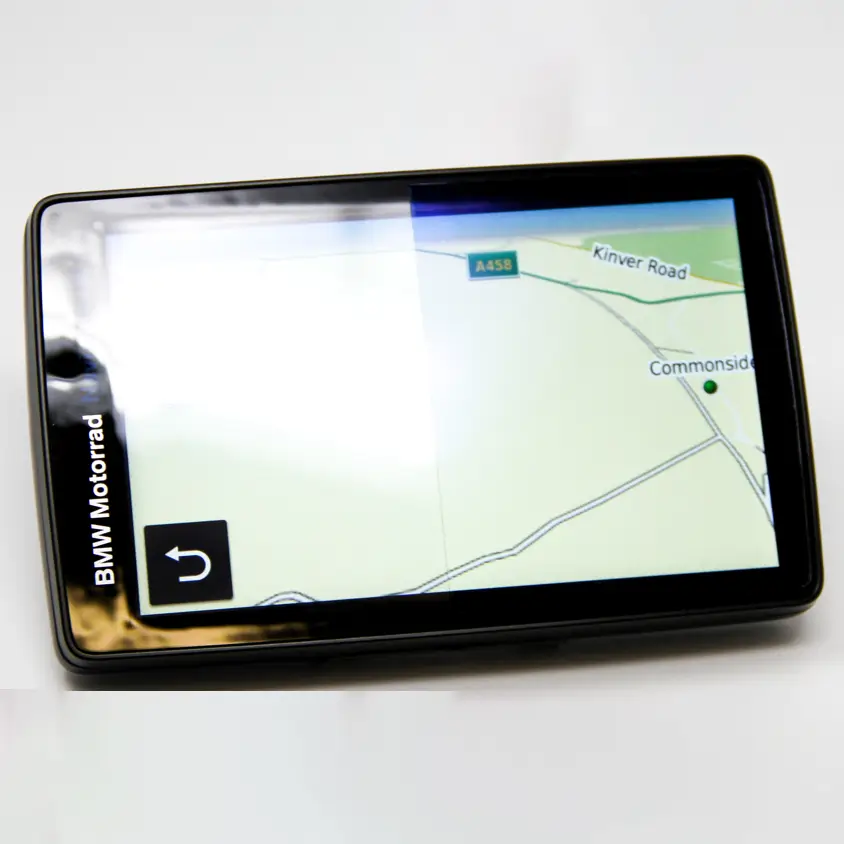
- Electronic / opto-electronic displays, automobile instrument clusters
- Exterior lighting fixtures
- Shielding filters (EMI / RFI), security camera domes, public display screens
- Retail displays, point-of-sale fixtures, signage
- Safety glazing, camera lenses, display screens
- Environments exposed to frequent handling, public use, or potentially abrasive or harsh conditions.
Comparative Summary: Polycarbonate vs Acrylic with Hard Coatings
| Property / Factor | Polycarbonate + Hard Coating | Acrylic + Hard Coating |
| Impact / Mechanical Strength | Very high — inherently tougher material. | Reasonably robust; enhanced by hard coating. |
| Optical Clarity | Good; may require AR or optical coatings. | Excellent; usually superior optical performance. |
| Weight & Handling | Relatively lightweight; good toughness. | Lighter still; easier to handle and transport. |
| Use in Harsh Environments | Excellent when coated; polycarbonate is resilient. | Very good; with coating to protect wear & weather. |
Our Hard Coating Solutions
- Anti-Scratch Coating for Polycarbonate: Designed to make polycarbonate almost equal to glass in terms of hardness; improves durability in heavy use or exposed settings.
Diamond Coatings Datasheet DIA.HC-KR Hardcoat
Diamond Coatings Datasheet DIA.HC-SON Hardcoat
Diamond Coatings Datasheet DIA.HC-OPG Hardcoat
Diamond Coatings Datasheet DIA.HC-MAKAB Hardcoat
- Acrylic / PMMA: High scratch resistance, improved chemical and weather resistance; preserves optical quality.
Diamond Coatings Datasheet DIA.HC-KRF Hardcoat
Diamond Coatings Datasheet DIA.HC-OPG Hardcoat
All hard coating options can be combines with anti-reflective coatings (for glare reduction), Diamox ITO coatings (for conductivity)